

Local state representatives in the Ellwood City area expressed differing opinions on the recently passed 2025-26 Pennsylvania state budget, with reactions generally falling along party lines. The budget, which faced a 135-day delay, was approved by the legislature on Wednesday. Governor Josh Shapiro is expected to sign the General Appropriations Act into law today, November 12, 2025.
Bernstine: Can’t Support a Budget That Risks Future Tax Increases
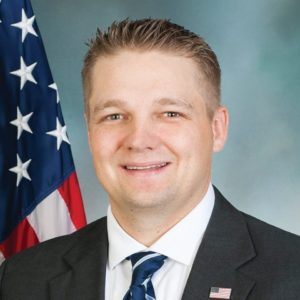
PA State Representative Aaron Berstine
HARRISBURG – Rep. Aaron Bernstine (R-Butler/Lawrence) issued the following statement explaining his “no” vote on the $50.1 billion budget for the 2025–26 fiscal year:
“While this plan includes several positive elements, I could not support a budget that spends $6 billion more in recurring spending than we have in recurring revenue. That kind of imbalance will ultimately force future tax increases on Pennsylvania families, and I cannot support a budget that places that burden on hardworking taxpayers.
“I appreciate this budget includes important decisions such as removing Pennsylvania from the Regional Greenhouse Gas Initiative (RGGI). Ending this carbon tax will help lower energy costs, protect good-paying jobs, and strengthen our economy. Additionally, permitting reforms included in this plan will help streamline the approval process for businesses, encouraging economic growth and investment across the state.
“This budget also makes strides in supporting school choice, giving families more options to find the right educational environment for their children, whether that’s public, charter or private schools. Expanding access to school choice empowers parents and improves outcomes for students across Pennsylvania.
“However, we cannot ignore the reality this budget commits to levels of spending that are not sustainable in the long term. Without structural reforms to control costs, these decisions will only make it harder to balance future budgets without turning to taxpayers for more of their hard-earned money.
“My ‘no’ vote was to ensure Pennsylvania’s finances remain strong and responsible for years to come.”
Brown: Budget Protects Taxpayers, Strengthens Vital Programs, Gets Pennsylvania Back on Track
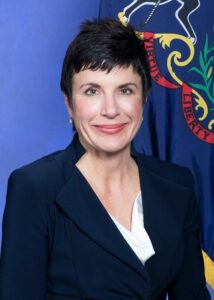
Rep. Marla Brown (R-Lawrence)
HARRISBURG – Rep. Marla Brown (R Lawrence) issued the following statement after voting in favor of the $50.1 billion budget for the 2025–26 fiscal year:
“As a member of the House Appropriations Committee, I take seriously the responsibility to make sure taxpayer dollars are spent wisely and directed to where they are truly needed. This budget does that. It ensures funding for programs such as the Supplemental Nutrition Assistance Program (SNAP) and Medicaid are available to help families, seniors and individuals who rely on them for their basic needs, while also holding state government accountable for how those dollars are used.
“I am also encouraged this plan gets Pennsylvania out of the Regional Greenhouse Gas Initiative (RGGI). For years, this carbon tax has driven up energy costs and pushed good-paying jobs out of our state. By stepping away from RGGI, we are opening the door for job growth, energy independence and a stronger economy here at home. This decision should also have a positive impact on utility bills, which have been escalating out of control in recent years. Combined with long-overdue permitting reform, Pennsylvania will become more attractive to new business investment and better positioned for long-term economic growth.
“The budget invests in our schools and ensures students have access to a quality education, while promoting programs that support working families and strengthen communities. It is also important we continue to increase scholarship opportunities so more students can pursue higher education or career training without taking on overwhelming debt. Investing in our young people is investing in the future of Pennsylvania.
“I am also pleased that this budget does not include any plan to legalize recreational marijuana. Legalizing marijuana would not only harm our communities and public safety, but it would also create a false promise of new tax revenue that comes at a high social cost. I believe we can strengthen our economy without relying on new taxes or risky policies that hurt families.
“This is a responsible budget that reflects the priorities of our communities: supporting families in need, growing jobs, improving education and protecting taxpayers. There is still work to do, but this is a solid step in the right direction.”
Vogel: Bipartisan Budget Bill Advances Key Investments in Our Schools, Our Workforce and Our Farmers

Senator Elder Vogel (R-47)
HARRISBURG – Sen. Elder Vogel, Jr. (R-47) breaks down some of the key investments made through the bipartisan $50.1 billion state budget approved by the General Assembly today. Only the governor’s signature is now left to finalize Pennsylvania’s spending plan for this fiscal year.
“Through these critical reforms, we have prevented Pennsylvanians from being affected by Gov. Josh Shapiro’s proposed plan which would have increased our spending by 7.5% and in turn set our state on the path toward mass broad-based tax increases next year,” said Vogel. “After months of intense negotiations, we were able to agree on a more reasonable, fiscally responsible solution that invests in our schools, our workforce and our farmers all while protecting Pennsylvania taxpayers.”
Championing Fiscal Responsibility and Maintaining Important Tax Cuts
Cutting nearly $1.4 billion in spending from Shapiro’s initial proposal, this budget utilizes $3 billion of lapsed funding from state agencies and special funds to fill budget gaps and rebases spending on some line items to reflect actual expenditures to use taxpayer dollars more efficiently – all accomplished without touching the Rainy Day Fund or imposing new tax increases.
Eliminating Participation in RGGI and Reforming PA’s Permitting Process
Ensuring Pennsylvania families and job creators are not burdened by more than a billion dollars in new electricity taxes, this budget includes a provision eliminating the illegal regulation mandating Pennsylvania’s participation in the Regional Greenhouse Gas Initiative (RGGI).
By not entering RGGI, and therefore not having new energy taxes, this budget protects consumers from dealing with even more severe consequences including the closure of PA-based power plants, job losses and the threat of rolling blackouts in the future.
Vogel added, “Stopping the RGGI electricity tax is a huge win for every consumer of electricity in PA. Families continue to feel the strain of inflationary pressure and do not need to see any additional increases in their household bills. Eliminating RGGI also clears a major hurdle that prevented energy providers from investing in our commonwealth and paves the way for the kind of energy growth that will expand our economy to prevent significant new cost burdens.
Additionally, critical reforms were made to PA’s permitting process to increase economic competitiveness by requiring a wide variety of environmental permits to be deemed approved after a certain period. Doing so ensures applicants are aware of the time frame for consideration of their application and can appeal any permits that are denied – providing certainty to the process and ending the current practice of dragging out the permitting process for many months without resolution.
Promoting Student Achievement and Empowering Families
The budget includes a $50 million expansion of the state’s popular Educational Improvement Tax Credit program to support more school choice opportunities for families in disadvantaged schools.
The agreement also increased funding to Pennsylvania’s education system with the Ready to Learn Block Grant program receiving a $562 million increase, Basic Education receiving a $105 million increase, Special Education receiving a $40 million increase and Pre-K Counts receiving a $9.5 million increase.
An additional $7.5 million will support the Grow PA Scholarship Grant program created by Senate Republicans last year to provide grants of up to $5,000 to students pursuing higher education for in-demand fields, provided they agree to stay and work in Pennsylvania after graduation.
Senate Republicans also restored Shapiro’s proposed $15 million cut to workforce development programs, ensuring the programs can continue to help train Pennsylvanians for high-quality, family-sustaining jobs.
Investing in Avian Influenza Monitoring and Food Assistance Programs
Lastly, the plan protects and promotes Pennsylvania’s farmers by including key provisions to ensure the Pennsylvania Animal Diagnostic Laboratory System can continue to identify potential outbreaks of avian influenza and providing a $7 million increase for Farmer’s Market Food Coupons and a $4 million increase for the State Food Purchase program.


someone needs to step up and run agaisnt aaron bernstine. just a trump wannabe who rode in on his back in 2016 and is more interested in separating people than uniting them.